


Introduction
Explosiveness, athleticism and crucial decision-making all while covering close to 10 kilometres over a 4–5 hour round. Sounds demanding, doesn’t it? This is golf.
While these physical qualities are often associated with sports like football or tennis, golf places its own unique demands on the body. Sustained energy, focus and consistency are essential, especially as driving distances continue to increase and the game becomes more physically competitive.
Without a structured nutrition plan, maintaining performance from the first tee to the final putt becomes increasingly difficult.

Why Nutrition Matters for Your Golf Game
Your nutritional choices aren’t only important for the 4–5 hours you spend on the course, but also before, after, and in between, as you train to become a better all-round golfer and athlete.
Good nutrition strategies support:
- Sustained energy over long rounds
- Mental clarity and better decision-making
- Performance consistency (avoiding crashes from poor timing or food choices)
- Effective recovery between rounds and training sessions
- Daily high-level performance
- Hydration and electrolyte balance to maintain focus and reduce fatigue
The Nutritional Game Plan
Elite-level fuelling strategies come down to three core components. Nail these, and you’ll notice the difference in energy, focus and consistency throughout your round.
1. Calories – scale
Carrying your golf bag across varied terrain and producing repeated powerful swings requires a significant amount of energy. A round of golf can burn approximately 700–1,500 calories.
Understanding your daily calorie needs and accounting for the added demand of play is key.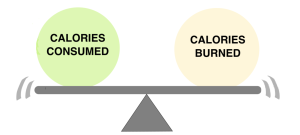
Fuel in = performance out.
Consuming enough calories ensures your body has the energy required to perform consistently throughout the round.
2. Macronutrients
Macronutrients form the foundation of your diet and play a key role in supporting performance.
A simple guideline:
- 40–50% carbohydrateS
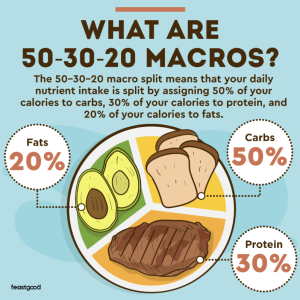
- 25–30% protein
- 20–30% fats
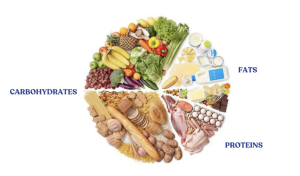
What they do:
- Carbohydrates → primary source of energy
- Protein → supports recovery and muscle maintenance
- Fats → provide longer-lasting energy
3. Hydration
One of the most important, and often overlooked aspects during a long round is staying properly hydrated.
- Even mild dehydration can negatively affect concentration and coordination
- Don’t wait until you feel thirsty — performance is already dropping
- Aim for consistent fluid intake across the day
- Electrolytes (especially sodium) help maintain fluid balance and reduce fatigue
Simple rule: If you’re sweating, water alone may not be enough.
What This Looks Like Day-to-Day
Putting this into practice doesn’t need to be complicated, consistency is key.
Daily habits:
- Eat regular, balanced meals throughout the day
- Prioritise carbohydrates as your main energy source
- Stay consistently hydrated (not just on the course)
- Aim for half your bodyweight (lbs) in ounces of water daily, with ~40–50% consumed during your round
- Don’t start your round already dehydrated
- Include electrolytes when training or playing in heat
Example foods:
- Carbohydrates: rice, bread, potatoes, pasta, oats, fruit
- Protein: lean meats, eggs, beans
- Fats: nuts, avocados, fatty fish
On-Course Nutrition
Pre-Round
Goal: Start fuelled and hydrated, ready to perform
Eat a balanced meal 1–3 hours before teeing off. Keep it familiar and easy to digest.
Focus on:
- High complex carbohydrates
- Moderate protein
- Lower fats
Examples:
- Oats, fruit and yogurt
- Eggs and whole wheat toast
- Chicken and rice
Early tee time?
Have a light snack 30–90 minutes before (e.g. banana + nuts, yogurt + fruit, or cereal with skim milk). Make sure you eat well the night before.
Start hydrating as soon as you wake up, don’t leave it until the last minute. Consider electrolytes in hot conditions or if you sweat heavily.
During the Round
A simple way to structure your nutrition is to split your round into three phases:

Hydration
Sip fluids regularly, don’t wait until you feel thirsty. Increase intake in hot conditions and use electrolytes where needed.
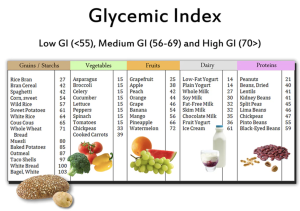
Glycaemic Index (GI)
The glycaemic index ranks carbohydrates based on how quickly they provide energy.
- High GI → quick energy (best for later in the round)
- Low GI → sustained energy (best pre-round and early in play)
Post-Round
Recover, refuel and rehydrate.
Post-round nutrition is about restoring energy, supporting recovery, and preparing for your next session.
A balanced meal with:
- Complex carbohydrates
- Lean protein
- Healthy fats
Examples:
- Grilled chicken with brown rice and vegetables
- Protein shake with fruit
- Turkey sandwich on wholegrain bread

To Round Up
Nutrition doesn’t need to be complicated.
Apply these simple principles consistently, and you’ll improve your energy levels, maintain focus, and perform more consistently from the first tee to the final putt.